Alpaca wool is a luxurious natural fiber known for its extraordinary softness, warmth, and durability. Harvested from the fleece of the alpaca, a domesticated camelid native to the Andes Mountains of South America, this fiber has been prized for thousands of years, once reserved exclusively for Incan royalty. Today, alpaca wool remains one of the most valued animal fibers in the world, appreciated for its silky texture, hypoallergenic qualities, and sustainable production methods.
The origins of alpaca wool date back over 5,000 years to the ancient civilizations of Peru, particularly the Inca Empire, which bred alpacas for their fine fleece. Known as the “fiber of the gods,” alpaca wool symbolized wealth and status and was used in ceremonial garments and royal textiles. The tradition of alpaca herding and hand-spinning continued through generations of Andean communities, surviving colonization and modernization. In the 20th century, global interest in alpaca wool revived as luxury brands and textile manufacturers rediscovered its unique natural properties.
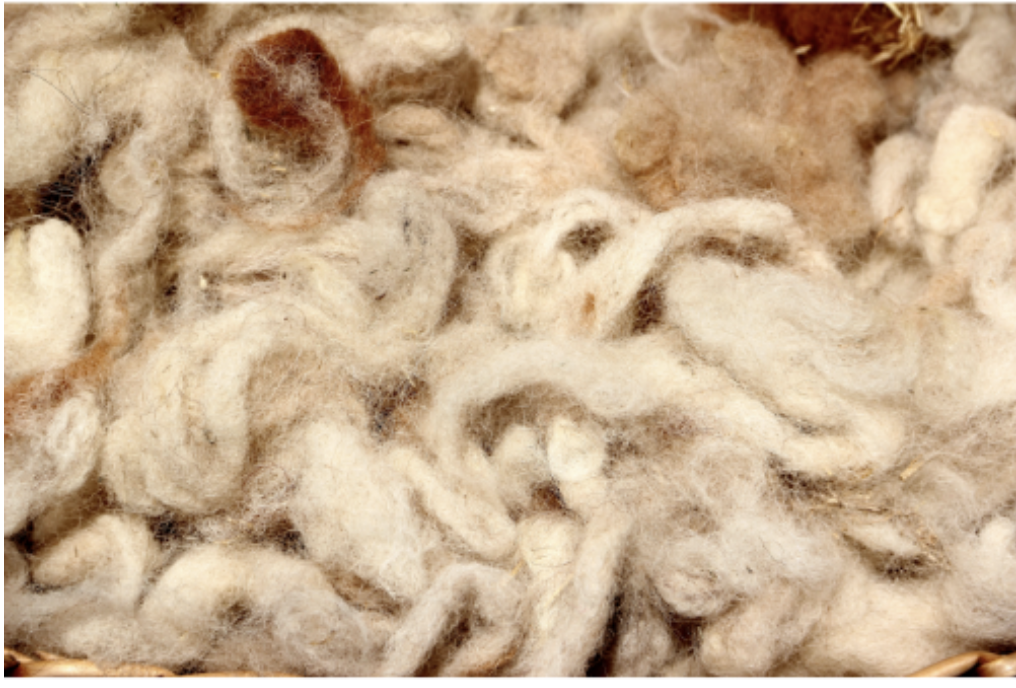
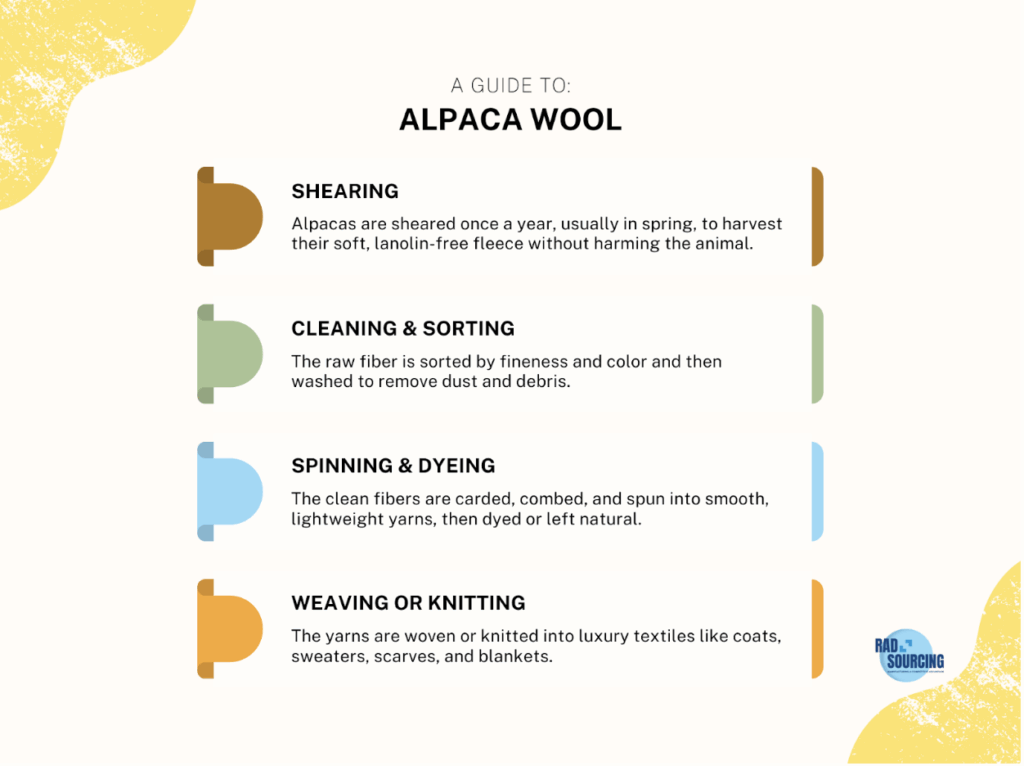
Alpacas are primarily raised in the high-altitude regions of Peru, Bolivia, and Chile, where cold, dry climates encourage the growth of dense, insulating fleece. There are two main breeds: the Huacaya, which produces soft, crimped, wool-like fibers, and the Suri, known for its long, silky, and lustrous locks that resemble natural silk. The wool is shorn once a year, typically in the spring, and an adult alpaca yields about 2–4 kilograms of fleece annually. After shearing, the fiber is sorted, cleaned, and graded by fineness and color (alpaca wool naturally occurs in over 20 shades, from pure white to deep black and rich browns), before being spun into yarn.
The properties of alpaca wool are what make it so exceptional. The fibers are lightweight yet warmer than sheep’s wool, due to their hollow core structure, which traps heat and provides superior insulation. Alpaca is hypoallergenic, as it contains no lanolin, the natural oil found in sheep’s wool that can irritate sensitive skin. The fiber is also soft, lustrous, and resilient, with a silky feel that resists pilling and wrinkling. Its smooth surface prevents itchiness, and it naturally repels water and odors. These features make alpaca ideal for a wide range of garments, from delicate knitwear to structured outerwear.
In fashion and textiles, alpaca wool is used in sweaters, scarves, coats, suits, shawls, and blankets, often as a premium alternative to cashmere or merino wool. The Huacaya type is favored for soft, fluffy knits, while the Suri type is used in luxurious woven fabrics with a natural sheen. Alpaca fibers blend beautifully with silk, cotton, or wool to enhance texture and performance. High-end brands and designers, such as Loro Piana, Max Mara, and Peruvian Connection, regularly incorporate alpaca into their collections, highlighting its elegance and ethical appeal.
Culturally, alpaca wool represents a deep connection between the Andean people and their environment. For centuries, alpacas have provided not just fiber but also livelihood and cultural identity. Hand-spinning, dyeing, and weaving alpaca textiles remain integral to indigenous craftsmanship in Peru and Bolivia. Many cooperatives and social enterprises, such as The Alpaca Project and Fair Trade Peru, work to ensure that local herders and artisans receive fair compensation while preserving traditional techniques and practices.
From a sustainability perspective, alpaca wool is one of the most eco-friendly natural fibers available. Alpacas are gentle grazers; they nibble grass without uprooting it, which helps prevent soil erosion and allows vegetation to regrow naturally. Their soft-padded feet minimize land damage, unlike hooved livestock, and they require minimal water and feed. The fiber itself is biodegradable, renewable, and long-lasting, meaning garments made from alpaca can endure for decades without losing quality. Additionally, many alpaca producers use natural dyes and avoid harsh chemical processing, keeping the overall environmental footprint low.
However, as demand for alpaca wool grows, ethical sourcing and traceability have become increasingly important. Organizations such as the Responsible Alpaca Standard (RAS) and Peruvian government initiatives help regulate the industry, ensuring humane animal treatment and equitable economic benefits for herders. These frameworks also encourage sustainable grazing practices to prevent overuse of fragile Andean ecosystems.
Globally, Peru dominates alpaca wool production, accounting for roughly 80% of the world’s supply, followed by Bolivia, Chile, and Ecuador. The Andean highlands, especially regions around Cusco and Arequipa, are central to the industry. International processing and spinning often take place in Italy and Japan, where raw alpaca fiber is transformed into fine fabrics for luxury fashion houses. Peru’s own textile industry has also grown rapidly, combining traditional craftsmanship with modern technology to produce world-class alpaca products.
Alpaca wool represents the perfect harmony of heritage, luxury, and sustainability. Its softness rivals that of cashmere, its strength surpasses that of sheep’s wool, and its ecological footprint is remarkably low. Rooted in the high Andes yet woven into the global fashion scene, alpaca fiber tells a story of resilience, beauty, and respect for nature. As consumers seek textiles that are both ethical and enduring, alpaca wool continues to stand out as one of the most refined and responsible materials the natural world has to offer.