Cotton is one of the oldest and most widely used textile fibers in human history, with evidence of its cultivation dating back over 7,000 years in regions like the Indus Valley, Egypt, and Central America. Revered for its softness, versatility, and comfort, cotton has been at the heart of global textile production for centuries and remains one of the most important natural fibers in the modern apparel industry.
The cotton plant produces fluffy seed hairs, which are harvested and spun into yarn to create fabric. Once harvested, the cotton bolls are ginned to separate the seeds from the fiber. The fibers are then carded, spun, and woven or knitted into textiles. Cotton fabrics can be finished in a variety of ways, including bleaching, dyeing, and mercerization (a process that improves luster and strength). Cotton’s adaptability means it can produce fabrics ranging from lightweight voile to sturdy denim.
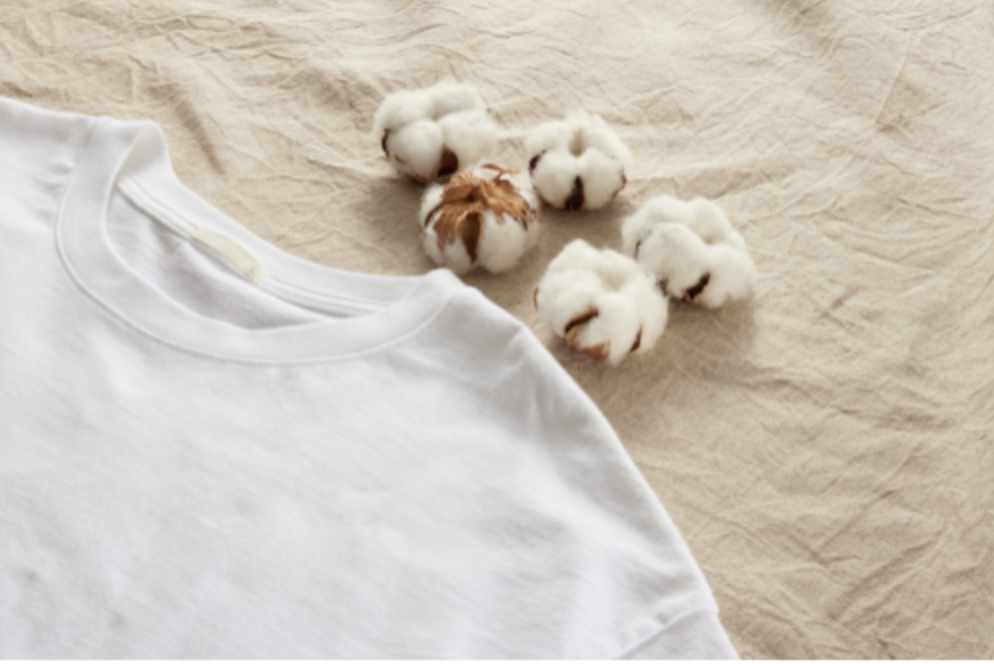
Cotton’s signature properties explain its enduring popularity. It is soft, breathable, and highly absorbent, making it comfortable against the skin in warm climates. It is also durable, easy to dye, and suitable for a wide range of fabric constructions and finishes. Cotton fabrics are hypoallergenic, which makes them suitable for baby clothes and bedding. However, pure cotton wrinkles easily and can shrink, so it is often blended with synthetic fibers like polyester to improve performance.
Cotton is grown worldwide, with major producers including India, China, the United States, Pakistan, and Brazil. Each country contributes to the global cotton supply chain, with regional varieties offering subtle differences in fiber length and quality. For example, Egyptian cotton is prized for its long staple fibers, which produce exceptionally soft, high-quality fabrics, while American Upland cotton is the most common variety used in mass production.
From a sustainability standpoint, cotton presents both strengths and challenges. On the one hand, it is a natural, biodegradable fiber, meaning it breaks down much more easily at the end of its lifecycle than synthetic fibers. On the other hand, conventional cotton cultivation is a resource-intensive process. It requires large amounts of water, with some estimates suggesting that a single cotton T-shirt can require over 2,000 liters of water to produce. Cotton farming is also heavily reliant on pesticides and fertilizers, which contribute to soil degradation, water pollution, and biodiversity loss.
To address these concerns, initiatives such as organic cotton and the Better Cotton Initiative (BCI) have emerged. Organic cotton is grown without synthetic chemicals, relying on natural methods to improve soil health and reduce environmental impact. While organic cotton accounts for only a small percentage of total cotton production, it is gaining popularity as consumer demand for sustainable fashion increases. BCI aims to promote more sustainable practices in conventional cotton farming, focusing on reducing water use and improving labor standards.
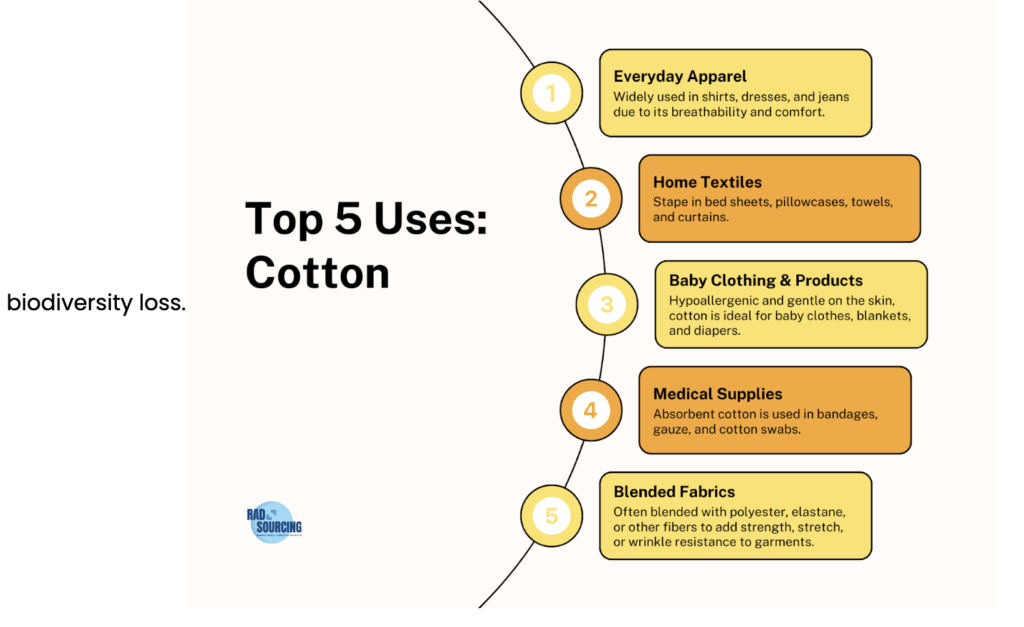
Cotton’s applications are almost limitless. It is used in everyday apparel, such as T-shirts, jeans, and dresses, as well as in home goods, such as towels, sheets, and curtains. Industrially, cotton is used in medical supplies such as bandages and gauze. Blending cotton with fibers like elastane creates stretch denim, while blending with polyester enhances wrinkle resistance and durability. Cotton’s role in denim alone highlights its cultural impact, as jeans have become a global wardrobe staple.
Cotton remains the cornerstone of the textile world, balancing timeless comfort with modern sustainability challenges. Its widespread use underscores its importance, but the future of cotton will depend on adopting more responsible farming practices to ensure this essential natural fiber continues to clothe the world without depleting its resources.