
Faux leather, also known as synthetic or vegan leather, is a man-made alternative to genuine leather that mimics its look, texture, and durability while offering a more affordable and ethical option. It is commonly used in fashion, upholstery, automotive interiors, and accessories, offering the aesthetic appeal of real leather without the use of animal hides. Faux leather has evolved significantly over the decades, moving from stiff, plastic-like materials to high-quality, sustainable innovations that rival natural leather in both appearance and performance.
The history of faux leather dates back to the early 20th century, when chemists began experimenting with synthetic coatings to replace natural leather, which was expensive and labor-intensive to produce. The first widely used version, Presstoff, appeared in Germany during World War II as a leather substitute due to wartime shortages. Later, the development of polyvinyl chloride (PVC) leather in the 1920s and polyurethane (PU) leather in the 1960s revolutionized the market. These materials became staples in manufacturing because they were cheaper, uniform in color and texture, and easier to clean.
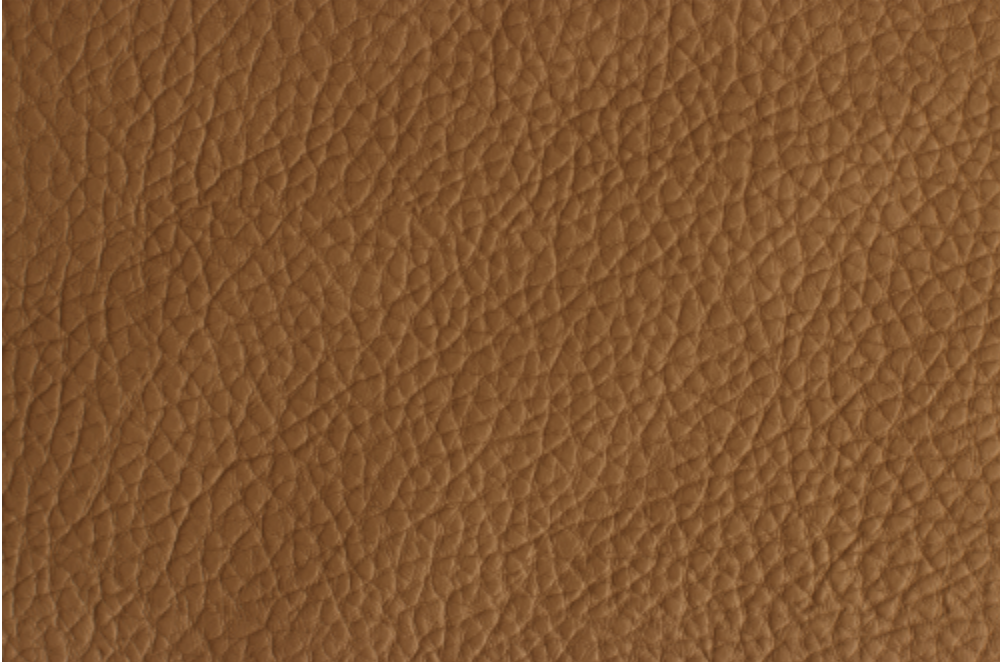
Faux leather is typically made by coating a fabric base, such as polyester, cotton, or nylon, with a layer of synthetic polymer. The two main types are PVC (polyvinyl chloride) leather and PU (polyurethane) leather.
- PVC leather involves applying plasticizers, stabilizers, and dyes to a PVC base, producing a tough, waterproof surface with a glossy or matte finish.
- PU leather uses a flexible polyurethane coating that is softer, more breathable, and less environmentally harmful than PVC. PU has largely replaced PVC in modern production due to its more natural feel and improved sustainability profile.
The properties of faux leather depend on the materials and processes used. High-quality PU leather can closely resemble genuine leather, with a supple texture, subtle grain, and realistic sheen. It is water-resistant, easy to clean, and fade-resistant, making it ideal for everyday use. However, unlike real leather, it does not develop a patina over time and may peel or crack with age if not properly maintained. Faux leather is lighter than natural leather, available in a wide range of colors and finishes, and free of natural imperfections, making it versatile for both fashion and industrial design.
Faux leather has become a significant material in fashion and interior design. In apparel, it is used for jackets, skirts, pants, handbags, belts, and shoes, offering the same sleek, edgy look as leather at a lower cost and with fewer ethical concerns. In furniture and automotive upholstery, faux leather offers a durable, wipeable surface that withstands frequent use while maintaining an elegant appearance. The ability to emboss, perforate, or texture the surface allows designers to create innovative finishes that suit a range of aesthetics, from classic to contemporary.
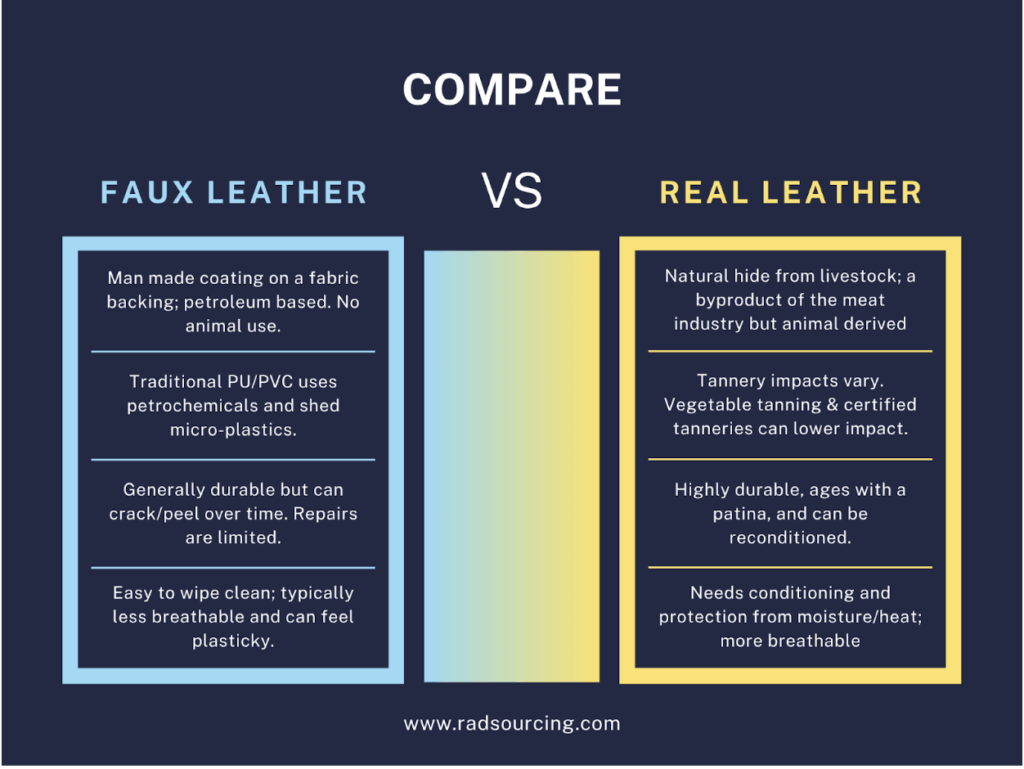
From an ethical and environmental perspective, faux leather offers clear advantages over animal leather in terms of animal welfare, but its sustainability is nuanced. Traditional PVC and PU leathers are petrochemical-based, relying on fossil fuels and generating microplastics and chemical waste during production and disposal. PVC, in particular, contains chlorine and phthalates, which can release harmful toxins over time. However, the industry has made significant progress in developing eco-friendly alternatives:
- Bio-based PU leathers use waterborne coatings and plant-derived polymers.
- Recycled faux leathers incorporate post-consumer plastics or reclaimed PU.
- Next-generation vegan leathers, made from pineapple leaves (Piñatex), apple peels, mushroom mycelium (Mylo), and cactus (Desserto), are pushing faux leather toward biodegradability and renewable sourcing.
These innovations are helping redefine faux leather as a sustainable design material rather than just an imitation of traditional leather. Leading fashion houses, including Stella McCartney, Gucci, and Hermès, have adopted high-end vegan leathers, while automotive brands such as Tesla are now incorporating synthetic leather into all their car interiors.
Global production of faux leather is concentrated in China, South Korea, and Italy, with increasing sustainable development in Japan, Mexico, and the United States. Italian tanneries are renowned for producing premium PU and plant-based leathers that strike a balance between craftsmanship and environmental innovation. Asian manufacturers dominate mass production, supplying apparel, footwear, and automotive industries worldwide.
Faux leather has transformed from a cheap leather substitute into a modern, ethical, and increasingly sustainable material. It bridges the gap between performance and responsibility, offering style without sacrifice. As innovation continues, faux leather’s evolution reflects a broader shift in the textile industry, where design, technology, and sustainability intersect to redefine what luxury and conscience can look like.