
Leather is one of the oldest and most enduring materials used by humans, valued for its durability, versatility, and natural beauty. Evidence of leatherworking dates back more than 7,000 years, when early societies used animal hides for clothing, shelter, and tools. Over time, tanning processes were refined, and leather became an integral part of fashion, furniture, transportation, and numerous other industries. Today, leather remains a premium material associated with quality and longevity, though it also raises important ethical and sustainability debates.
Leather is made from the hides or skins of animals, most commonly cattle, but also goats, sheep, pigs, and exotic animals such as crocodiles or ostriches in luxury markets. The transformation from raw hide to finished leather requires tanning, a process that stabilizes the proteins in the skin to prevent decomposition. Traditional vegetable tanning uses natural tannins derived from tree bark, whereas modern chrome tanning uses chromium salts to achieve faster, more uniform results. After tanning, the leather is finished through processes such as dyeing, embossing, buffing, or coating, which determine its texture, appearance, and performance.
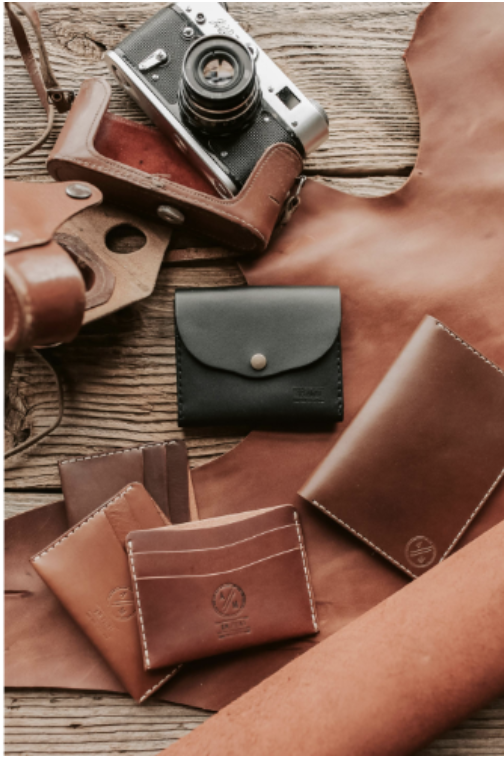
The properties of leather set it apart from most textiles. It is strong, flexible, and highly durable, often lasting decades when properly cared for. Leather also develops a patina over time, lending it a unique character and enhancing its aesthetic value. Depending on the type and finish, leather can be soft and supple, as in lambskin, or harsh and rugged, as in full-grain cowhide. Leather is naturally breathable and offers some water resistance, though it is not fully waterproof without additional treatment.
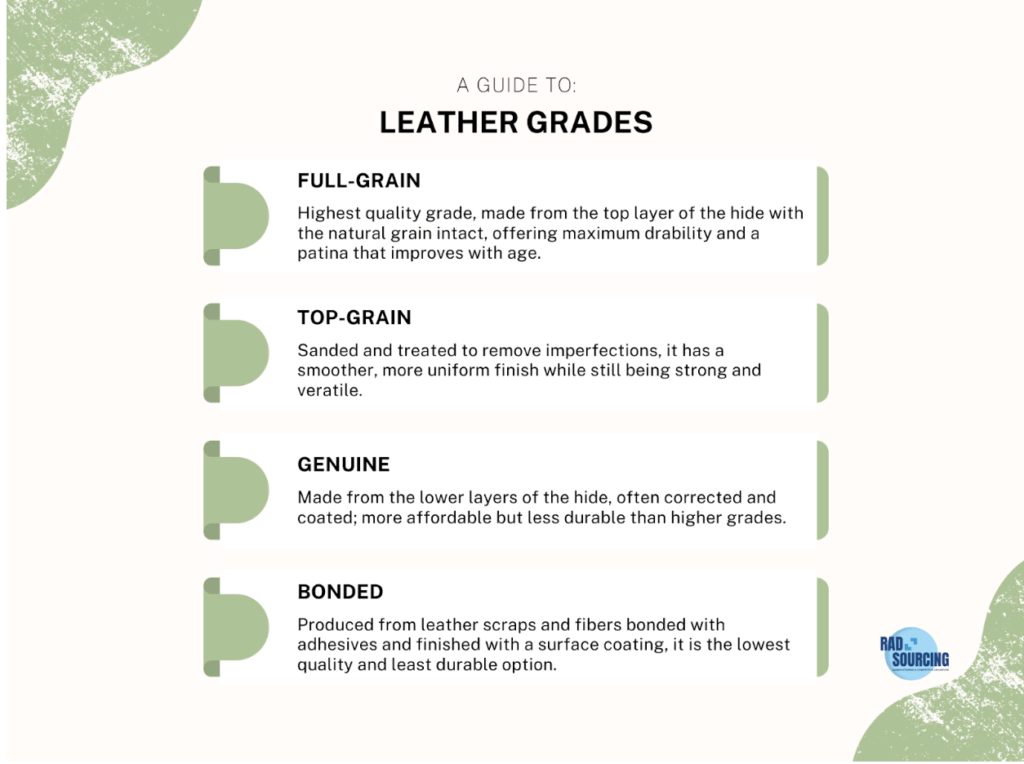
Leather comes in various grades and types. Full-grain leather retains the hide’s natural grain and is considered the highest quality due to its durability and character. Top-grain leather is sanded or corrected for a smoother finish, commonly used in fashion and upholstery. Genuine leather refers to lower layers of the hide, often finished with coatings to mimic higher grades. Bonded leather is made from scraps and fibers bonded with adhesives and coated, offering an affordable but less durable option. Specialty leathers include suede, nubuck, and patent leather, each with distinct textures and applications.
Leather is used extensively across industries. In fashion, it is a staple for jackets, shoes, belts, handbags, and accessories. In interiors, it is often found in furniture, car seats, and luxury upholstery. Leather also plays a role in sporting goods, protective gear, and industrial products where toughness and longevity are essential. Its combination of practicality and prestige ensures its continued demand worldwide.
From a sustainability perspective, leather is a highly complex material. On the one hand, it is durable, long-lasting, and biodegradable, making it a preferable alternative to many short-lived synthetic materials. As a byproduct of the meat industry, it utilizes hides that might otherwise be discarded. On the other hand, leather production raises serious concerns. Chrome tanning, which accounts for the majority of global production, generates toxic waste that can contaminate water and harm workers and local communities. Deforestation and methane emissions from cattle farming contribute significantly to the environmental footprint of leather production. Animal welfare issues also drive ethical debates, leading some consumers to seek alternatives.
In response, more sustainable options are emerging. Vegetable-tanned leather, although more time-consuming to produce, avoids many of the harmful chemicals associated with chrome tanning. Certifications, such as those from the Leather Working Group (LWG), promote responsible sourcing and cleaner production. Innovations in bio-based and lab-grown leather, such as mycelium (mushroom leather) or plant-based alternatives, are also gaining traction, offering animal-free and potentially lower-impact options.
Globally, major leather producers include China, India, Brazil, and Italy, with Italy in particular renowned for high-quality, artisanal leather goods. The global leather industry remains economically significant, employing millions and supporting both the luxury and mass-market sectors.
Leather embodies a unique blend of tradition, utility, and controversy. Its strength and timeless appeal have made it a cornerstone of human material culture, but its future will depend on balancing heritage craftsmanship with modern demands for sustainability and ethics.