
Organza is a thin, plain-weave fabric prized for its crisp texture, sheer appearance, and ability to maintain structured shapes. Historically woven from silk, organza has long been associated with luxury garments, bridal wear, and evening gowns. Its origins date back to the Middle Ages, with the fabric believed to have been first woven along the Silk Road in regions such as China and the Middle East, before reaching Europe. The name “organza” is thought to be derived from Urgench, a city along the Silk Road that was a hub for the silk trade.
Traditionally, organza was made exclusively from silk, which gave it a shimmering transparency and a delicate, ethereal quality. With the rise of synthetic fibers in the 20th century, polyester and nylon organzas became widely available. These synthetic alternatives are more affordable and durable, though they lack some of the subtle luster and softness of silk organza. Today, both silk and synthetic organza are widely used, each serving different segments of the fashion and textile market.
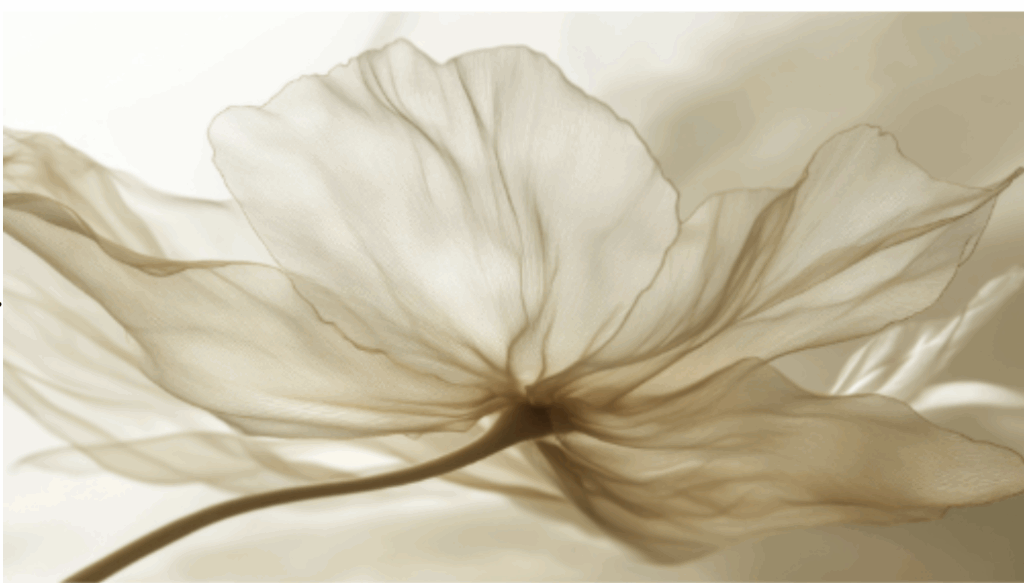
Organza is woven in a plain weave structure using tightly twisted yarns, often in both the warp and weft directions. This high-twist construction gives organza its signature crispness and slight stiffness, allowing it to maintain its shape and volume while remaining sheer. The fabric’s light weight and translucency make it ideal for layering, giving garments a sense of depth and dimension without heaviness. Organza can range from extremely delicate to more substantial versions, depending on the yarn and weave density.
The key properties of organza include its sheerness, crisp texture, and ability to add structure to garments. It does not drape fluidly like chiffon or silk satin; instead, it creates volume and shape, making it popular for puffed sleeves, skirts, and decorative overlays. Because organza is sheer, it is often layered over opaque fabrics to create visual contrast. It also dyes well, producing vibrant, luminous colors that enhance its luxurious look.
From a sustainability perspective, organza’s impact depends on the source of the fiber. Silk organza is a natural, renewable, and biodegradable material, although silk production raises concerns about animal welfare and resource utilization. Synthetic organza, made from polyester or nylon, is more durable and affordable, but comes with environmental costs associated with petrochemical sourcing, non-biodegradability, and microplastic pollution. Recycled polyester organza offers a more sustainable alternative, reducing reliance on virgin materials. Certification schemes like OEKO-TEX can help ensure safer dyeing and finishing processes across fiber types.
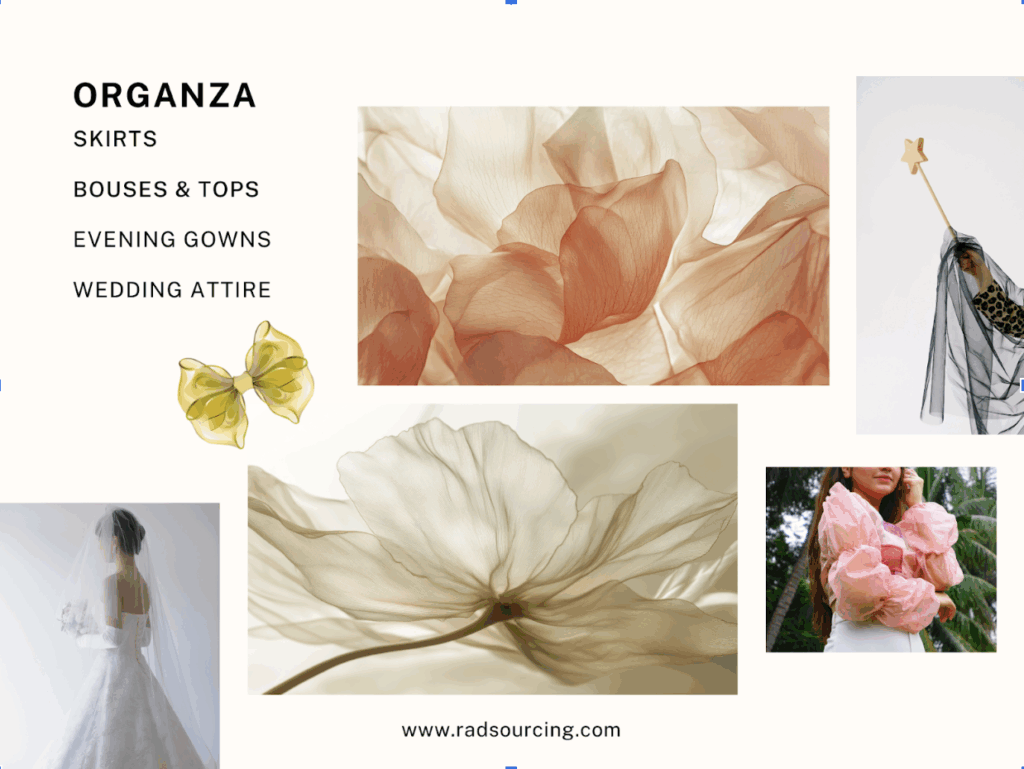
Organza production is most prominent in China and India, where silk weaving traditions remain strong and synthetic organza is manufactured at scale. European textile houses also produce high-end silk organza for luxury fashion markets. The versatility of organza keeps it relevant in both haute couture and mass-market design.
Organza is most famously used in formal wear, particularly in bridal gowns, evening dresses, and couture pieces, where volume and elegance are emphasized. It is also popular for veils, decorative scarves, and costume design. In interiors, organza can be used for sheer curtains and decorative overlays, adding a delicate, luminous touch to living spaces.
Organza embodies elegance and drama, combining lightness with structure in a way few fabrics can. Whether in the form of a shimmering bridal veil or a bold couture gown, organza continues to captivate designers and wearers alike, striking a balance between tradition and modern innovation.