Pima cotton is a premium variety of extra-long-staple (ELS) cotton, prized for its exceptional softness, strength, and natural sheen. Often considered one of the finest cottons in the world, it is named after the Pima Native American tribe, who helped cultivate the plant in the American Southwest in the early 1900s. With fibers that are longer and silkier than standard cotton, Pima produces smooth, durable fabrics that resist pilling, fading, and tearing, making it a staple of luxury fashion, fine bedding, and high-end everyday essentials.
The origins of Pima cotton can be traced back to Peru, where the Gossypium barbadense cotton species was first cultivated thousands of years ago by ancient civilizations along the coastal valleys. This cotton was later introduced to Egypt, giving rise to the famed Egyptian cotton, and to the United States, where it was selectively bred and refined. In the early 20th century, the U.S. Department of Agriculture collaborated with the Pima tribe in Arizona to develop this long-staple variety, which was adapted for American climates. The result was a cotton that combined the strength of Peruvian heritage with the consistency of modern agricultural practices, giving rise to “Pima cotton.”
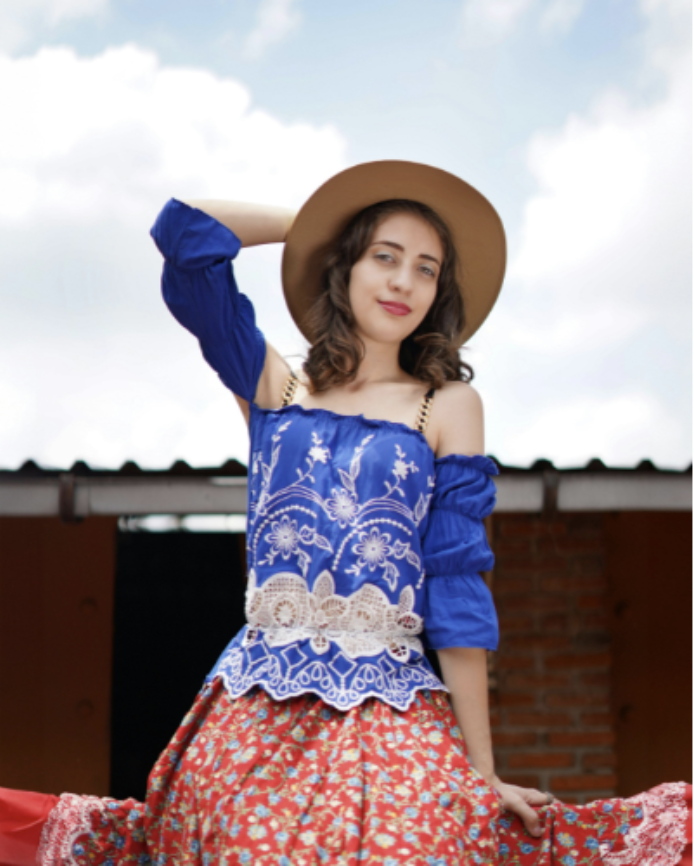
Pima cotton differs from standard upland cotton (the most common variety used globally) in the length and quality of its fibers. Pima fibers average about 1.4 to 1.6 inches (35–40 mm), approximately 50% longer than those of upland cotton. This extra length enables the production of finer, smoother yarns that can be spun into lightweight, strong, and luxuriously soft fabrics. The result is a material that feels silky to the touch, drapes beautifully, and resists wear over time.
The production process of Pima cotton emphasizes both quality and purity. It is typically hand-picked or gently machine-harvested to minimize fiber damage, ensuring maximum length and uniformity. After harvesting, the cotton is ginned to remove seeds, cleaned, and spun into long, fine yarns. Pima cotton’s dense fiber structure means it can absorb dyes more effectively, producing rich, long-lasting colors that resist fading even after repeated washing. Because the fibers are stronger, Pima fabrics retain their shape and resist pilling, making them ideal for frequently used garments and textiles.
The properties of Pima cotton make it stand out among other natural fibers:
- Softness: The long, smooth fibers create a luxurious feel that is gentle on the skin.
- Durability: Pima cotton is more substantial than standard cotton, reducing fraying and fabric thinning.
- Color retention: Its absorbent fiber structure holds dye deeply, maintaining vibrancy.
- Breathability: Like all natural cottons, Pima allows air circulation, keeping the wearer cool and comfortable.
- Hypoallergenic: Its purity and lack of harsh chemical treatments make it suitable for sensitive skin.
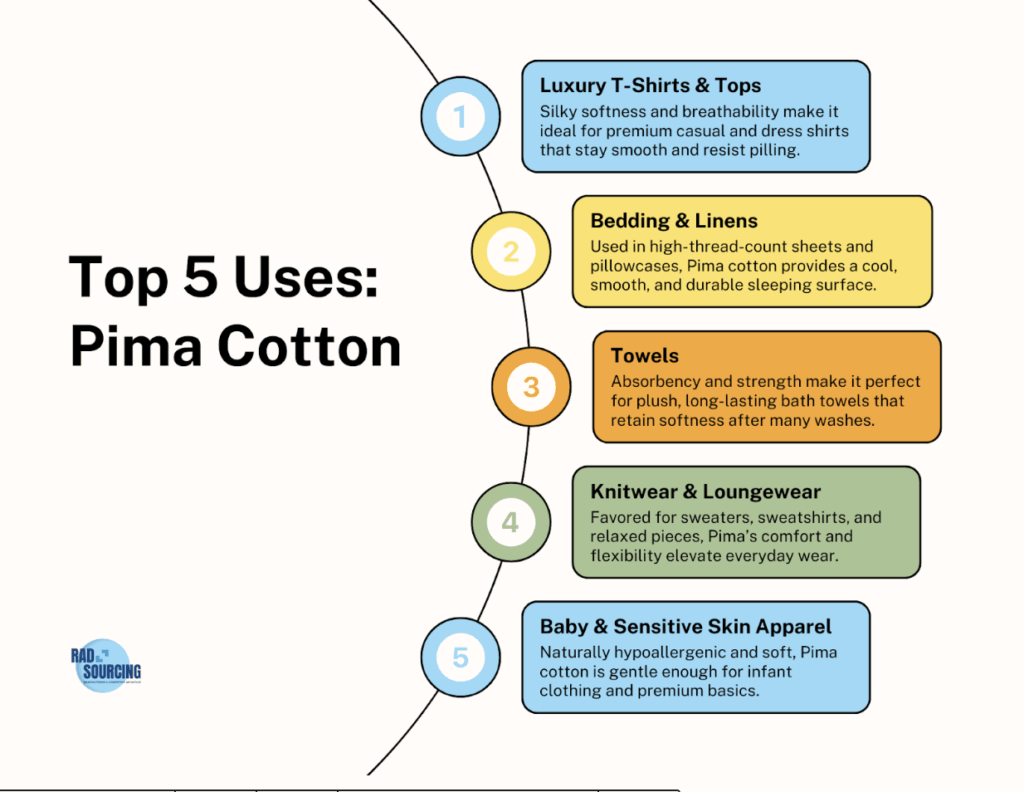
In the fashion and textiles industry, Pima cotton is utilized in premium T-shirts, dress shirts, underwear, sheets, towels, and knitwear. Designers and manufacturers select it for products that require both comfort and durability. Its softness and smooth finish make it a favorite in luxury casualwear, while its strength and color stability make it suitable for high-quality linens and hotel-grade bedding. Supima cotton, a trademarked form of American-grown Pima cotton, represents the highest standard within this category, ensuring certified authenticity and traceability from farm to fabric.
From a sustainability perspective, Pima cotton is a renewable, biodegradable fiber, and when cultivated responsibly, it can have a lower environmental impact than conventionally grown upland cotton. Many Pima producers, particularly in the United States and Peru, use drip irrigation systems, integrated pest management, and soil conservation practices to optimize resource use and protect ecosystems. Additionally, certified organic Pima cotton eliminates synthetic pesticides and fertilizers entirely. However, as with all cotton varieties, water consumption and land use remain important considerations, particularly in arid growing regions.
The world’s leading producers of Pima cotton are the United States, Peru, and Australia, with smaller production in Israel and Egypt.
- United States: Grown mainly in California, Arizona, and Texas, American Pima cotton is marketed under the Supima® brand, known for its traceable, sustainably managed supply chain.
- Peru: Famous for its Peruvian Pima cotton, considered among the softest in the world due to ideal coastal growing conditions and traditional hand-harvesting techniques.
- Australia: Produces high-quality Pima through advanced irrigation systems and technological efficiency, ensuring uniform fibers and environmental control.
In recent years, Pima cotton has become a symbol of sustainable luxury, valued not only for its tactile appeal but also for its ethical transparency. Brands that use Supima or Peruvian Pima often highlight these fibers as indicators of quality and social responsibility. Because Pima cotton garments last significantly longer than regular cotton equivalents, they also support slow fashion principles by reducing waste and consumption frequency.
Pima cotton exemplifies the union of natural elegance, strength, and sustainability. Its silky hand-feel, enduring performance, and traceable production make it a benchmark of quality in the textile world. As consumers increasingly demand both comfort and conscience in their clothing and home goods, Pima cotton continues to define what it means to experience true everyday luxury, soft on the skin, strong in structure, and kind to the planet.