
Merino wool is a premium type of wool derived from Merino sheep, renowned for producing some of the finest and softest fibers in the world. With a history dating back to the 12th century in Spain, Merino sheep were initially prized by Spanish royalty, and their export was tightly regulated. In the 18th and 19th centuries, the breed spread to Australia and New Zealand, where vast grazing lands and selective breeding produced high-quality Merino wool that dominates today’s global market. Today, Merino wool is synonymous with performance, comfort, and luxury, and is a cornerstone of both technical outdoor apparel and fine fashion.
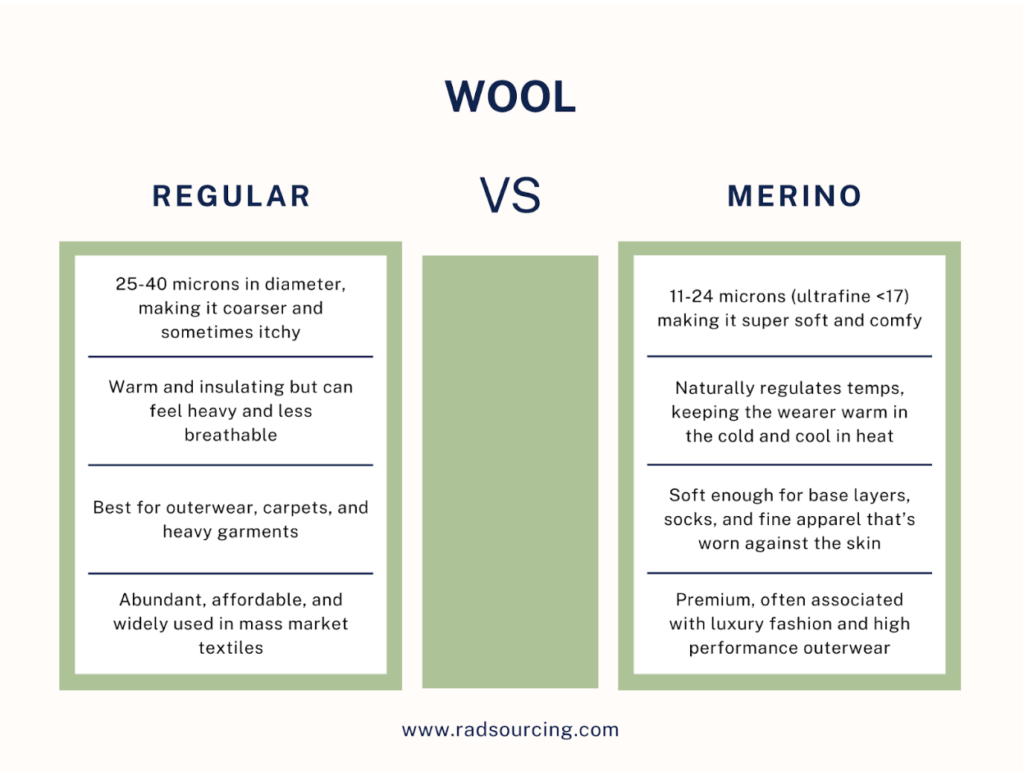
What makes Merino wool distinct is the fineness of its fibers. Standard wool fibers measure between 25 and 40 microns in diameter, while Merino wool ranges from about 11 to 24 microns, with ultrafine Merino measuring below 17 microns. This makes Merino wool significantly softer and less itchy than traditional wool, allowing it to be worn comfortably next to the skin. The fibers are naturally crimped, giving Merino wool elasticity and resilience, while also trapping air to provide excellent insulation.
Merino wool is prized for its unique performance properties. It is highly breathable, wicking moisture away from the skin and regulating body temperature in both warm and cool conditions. It can absorb up to 30% of its weight in water without feeling damp, making it comfortable even during intense activity. Merino wool is naturally odor-resistant due to its ability to inhibit bacterial growth, making it a favorite for multi-day wear during activities such as hiking, skiing, or travel. Additionally, Merino is flame-resistant, biodegradable, and a renewable material.
The production process begins with shearing Merino sheep, typically once a year. The fleece is sorted, cleaned, and scoured to remove lanolin and impurities. The cleaned fibers are then carded, combed, and spun into fine yarns suitable for knitting or weaving. Depending on the intended use, Merino wool can be fashioned into lightweight base layers, mid-weight sweaters, or heavy outerwear. Advances in spinning and finishing techniques have allowed Merino to compete with synthetic performance fabrics while retaining its natural advantages.
Merino sheep are raised primarily in Australia and New Zealand, which together account for the majority of global production. Australia, in particular, is renowned for its ultrafine Merino wool, used in luxury fashion and suits, while New Zealand is known for its strong Merino wool, used in active and outdoor wear. South Africa, Argentina, and parts of Europe also contribute to the global Merino supply.
From a sustainability standpoint, Merino wool is a renewable, biodegradable, and durable material that offers advantages over petroleum-based synthetics. However, its production is not without controversy. Large-scale sheep farming can contribute to land degradation, methane emissions, and water use. Animal welfare issues, particularly the practice of mulesing (a surgical procedure to prevent flystrike), have drawn criticism from consumers and activists. In response, certification schemes such as ZQ Merino and the Responsible Wool Standard (RWS) promote ethical animal care, land management, and traceable supply chains.
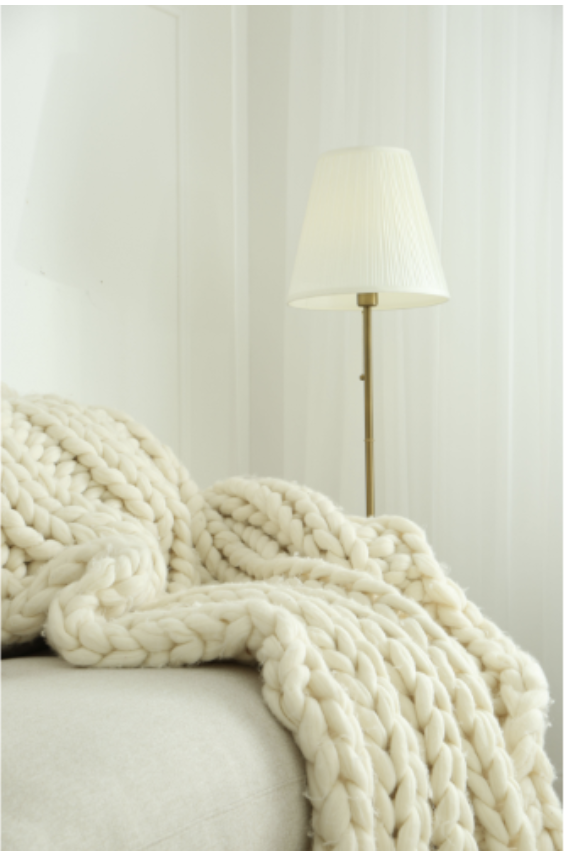
Merino wool has a wide range of applications. In fashion, it is used for fine suits, dresses, and knitwear, where softness and elegance are essential. In outdoor and performance apparel, Merino base layers, socks, and activewear are valued for breathability, moisture management, and odor resistance. Home textiles, such as blankets and bedding, also benefit from Merino’s softness and thermal properties. The fiber’s versatility enables it to seamlessly bridge the luxury and performance markets.
Merino wool represents the pinnacle of natural fiber performance, combining softness, breathability, and sustainability in a way few materials can. Its history, craftsmanship, and technical capabilities ensure it remains a preferred choice for consumers seeking comfort and quality, whether in a luxury suit or a hiking base layer.